



Protein has become one of the biggest nutrition buzzwords in recent years.
From protein powders and snack bars to high-protein cereals and desserts, it seems like everyone is trying to add more protein to their diet. While protein is absolutely essential for muscle repair, metabolism, and overall health, as supported by research on the importance of adequate protein intake, your body doesn’t just need protein, it needs the right environment to digest and use it effectively.
You Need More Than Just Protein
Many people think a “healthy meal” simply means choosing a protein source like eggs, chicken, or a protein shake, but digestion and nutrient absorption are more complex than that.
For your body to properly break down protein and use amino acids for energy, muscle repair, hormone production, and immune support, it also relies on:
• Healthy fats
• Fiber-rich foods
• Micronutrients from whole foods
Without these, protein digestion can be less efficient, leaving you feeling sluggish, bloated, or still hungry after meals.
Why Healthy Fats Matter for Protein Digestion
Healthy fats play a key role in slowing digestion in a beneficial way and supporting fat-soluble vitamin absorption.
• Improve satiety and prevent blood sugar spikes
• Support hormone balance
• Aid in absorption of fat-soluble vitamins
• Provide sustained energy alongside protein
Natural fats like avocado, nuts, seeds, and coconut oil can help create a more balanced and satisfying meal.
For example, cooking vegetables or proteins with a stable natural fat such as coconut oil can help enhance flavor while contributing to better nutrient absorption and sustained fullness.
The Role of Fiber in a Balanced Plate
Fiber is another essential partner to protein and plays a major role in supporting gut health and digestion.
• Gut health and digestion
• Blood sugar regulation
• Long-lasting energy
• Reduced cravings
Whole foods like leafy greens, root vegetables, legumes, berries, and whole grains provide the fiber needed to help your body process protein more efficiently.
How To Create a Balanced Plate
Instead of building meals around protein alone, think about creating a balanced healthy plate pattern that includes:
A quality protein source
Chicken, eggs, fish, tofu, lentils, or yogurt
Healthy fats
Avocado, nuts, seeds, coconut oil
Fiber-rich plants
Vegetables, fruits, legumes, or whole grains
This combination supports better digestion, more stable energy levels, and greater overall satisfaction from your meals.
A Simple Way to Add Healthy Fats to Your Meals
If you’re working on building more balanced meals, one easy place to start is by looking at the fats you cook with every day.
Choosing stable, unprocessed fats can help support both flavor and nutrient absorption. For example, using coconut oil for sautéing vegetables, roasting protein sources, or adding to baked recipes can be a simple way to include healthy fats in your routine.
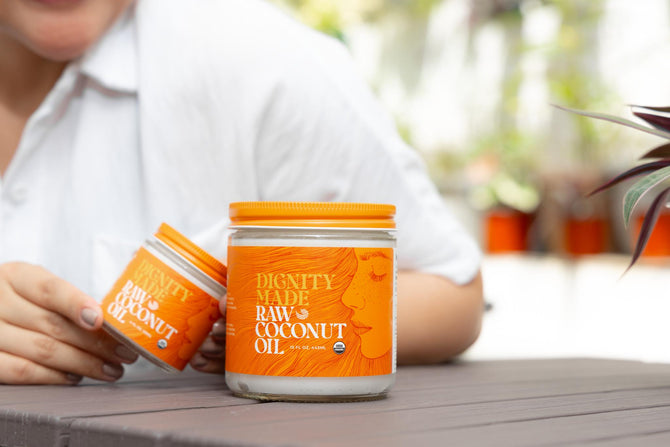
Some coconut oils are produced using a centrifuge extraction method, which helps preserve naturally occurring micronutrients and antioxidant compounds that can be reduced during higher-heat processing methods. This best-selling Raw Coconut Oil from Dignity Made is a great place to start because it's centrifuge-extracted, meaning no heat or chemicals were used in the process, and contains up to 4× the antioxidants compared to many standard coconut oils.
Focus on Nutrient Balance, Not Just Trends
Nutrition trends come and go, but the foundation of health remains consistent: whole foods, balanced macronutrients, and mindful eating.
Whether your goal is muscle gain, weight management, better digestion, or sustained energy, focusing only on protein may not give your body what it truly needs. Instead, aim to build meals that include protein, healthy fats, and fiber working together.
That’s where long-term health habits begin.


